

An automated method for flushing IV lines
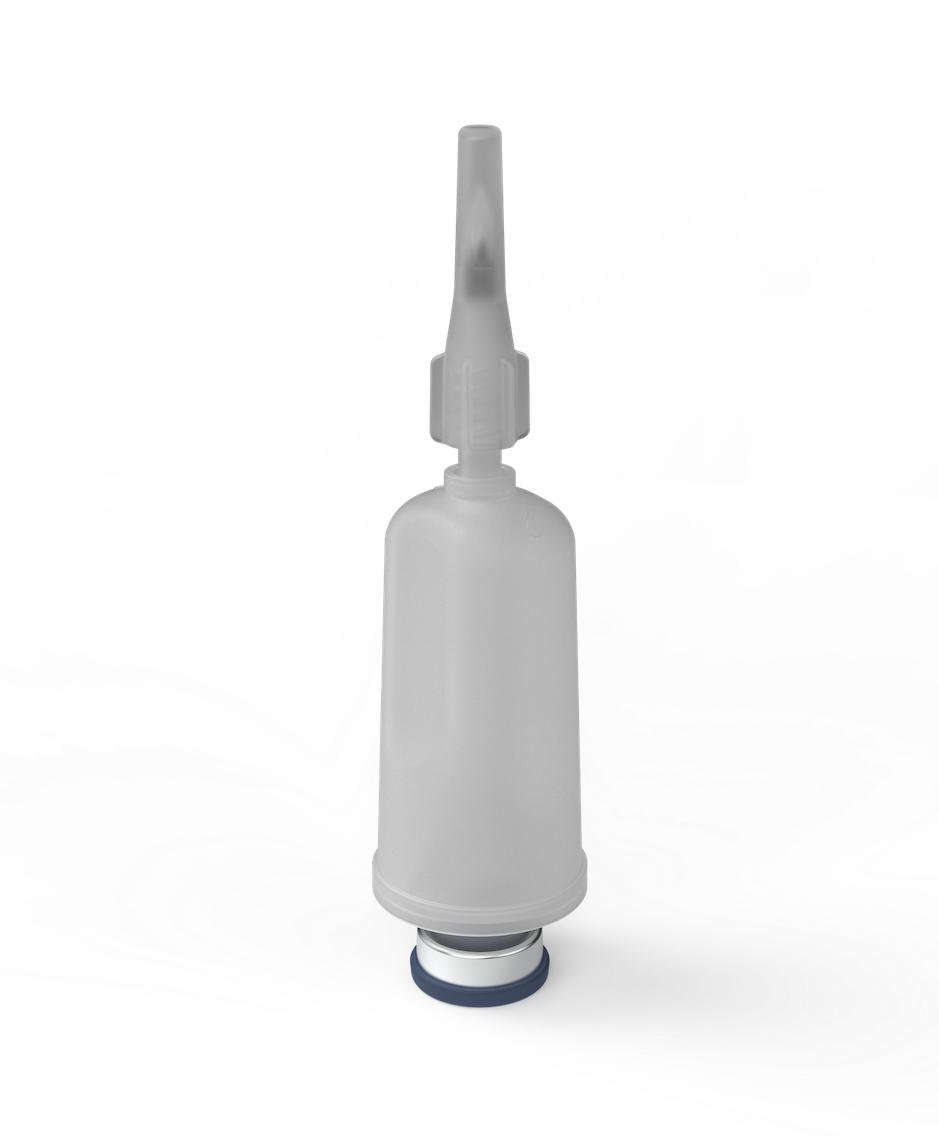
Droplet IV is a user-friendly solution, free from electronics, buttons, or breakaway seals. It is a prefilled flushing automation device that uses basic fluid dynamics principles to help patients receive full dosages.
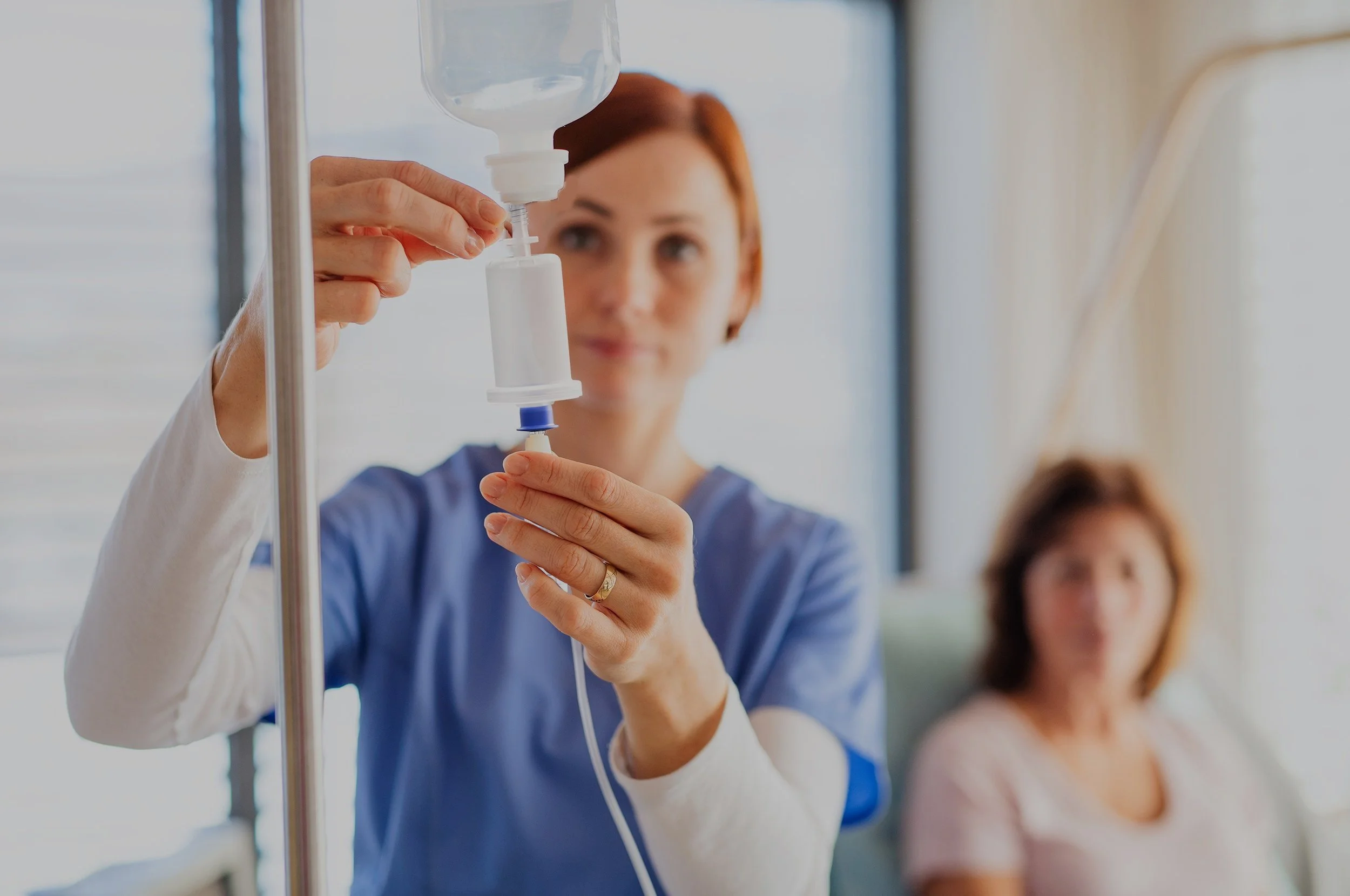
Designed for ease of use, it integrates seamlessly with existing IV bags and lines and is assembled at the start of each IV medication administration. This solution relieves nurses from the stress and time-sensitive task of manual flushing, which is often delayed and requires multiple checkups to confirm medication completion.
Streamlining IV therapy
Droplet IV automatically flushes the iv line when the IV medication bag is empty.
Streamlining IV therapy
Droplet IV automatically flushes the iv line when the IV medication bag is empty.
Helps patients receive their full medicine dose

Better Patient
Treatment
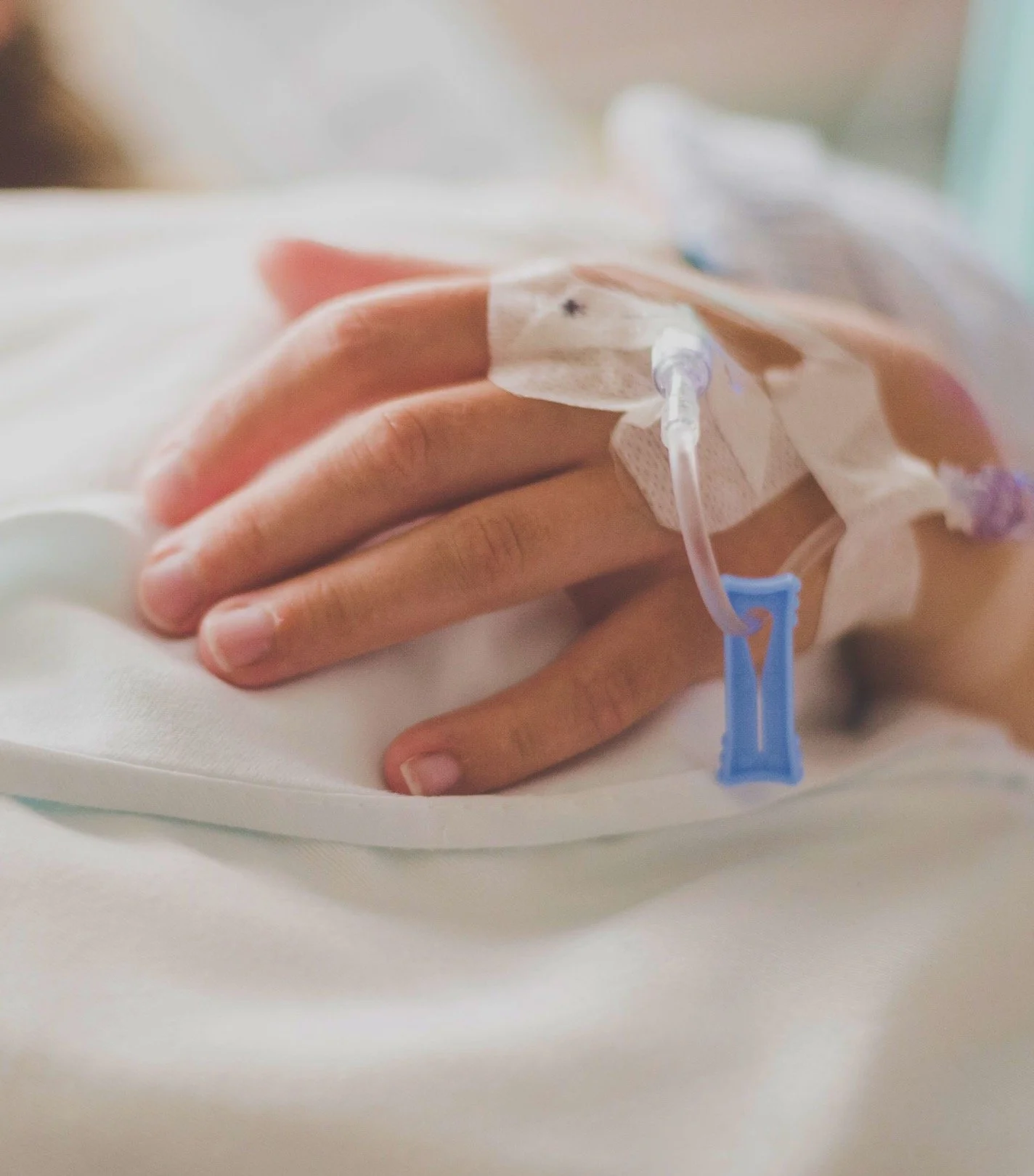
When nurses are unable to flush IVs, patients do not receive the full dose of their prescribed medication. Droplet IV helps patients to receive the remaining ≈20% of the prescribed drug (1) which is trapped inside the IV line.
This eliminates underdosing, which can lead to insufficient treatment and possible treatment failure (2). The issue is particularly significant for infusions of less than 250 mL, which constitute 89% of all infusions (3).
1. Plagge et al.,Eu J Hosp Pharm, 2010 | 2. Bolla et al., JAC Antimicrob Resist. 2020 | 3. Sponsored: Under-dosing of small volume intravenous drugs – an overlooked patient safety issue
Saves valuable time for overburdened nurses


Helping
Overburdened Nurses
Current flushing solutions are time-consuming, complex and difficult to use. Consequently, some nurses choose not to flush (against guidelines) (4).
Droplet IV streamlines nurses' workflow by automatically flushing the IV line and allocates on average 60 minutes per shift to value-adding activities (5).
4. NIVAS - Intravenous Administration of Medicines to adults: Guidance on “line flushing” -Version 3 2021 , INS 9th edition | 5. Based on inhouse studies
Cost-effective clinical waste management
More Sustainable Practice
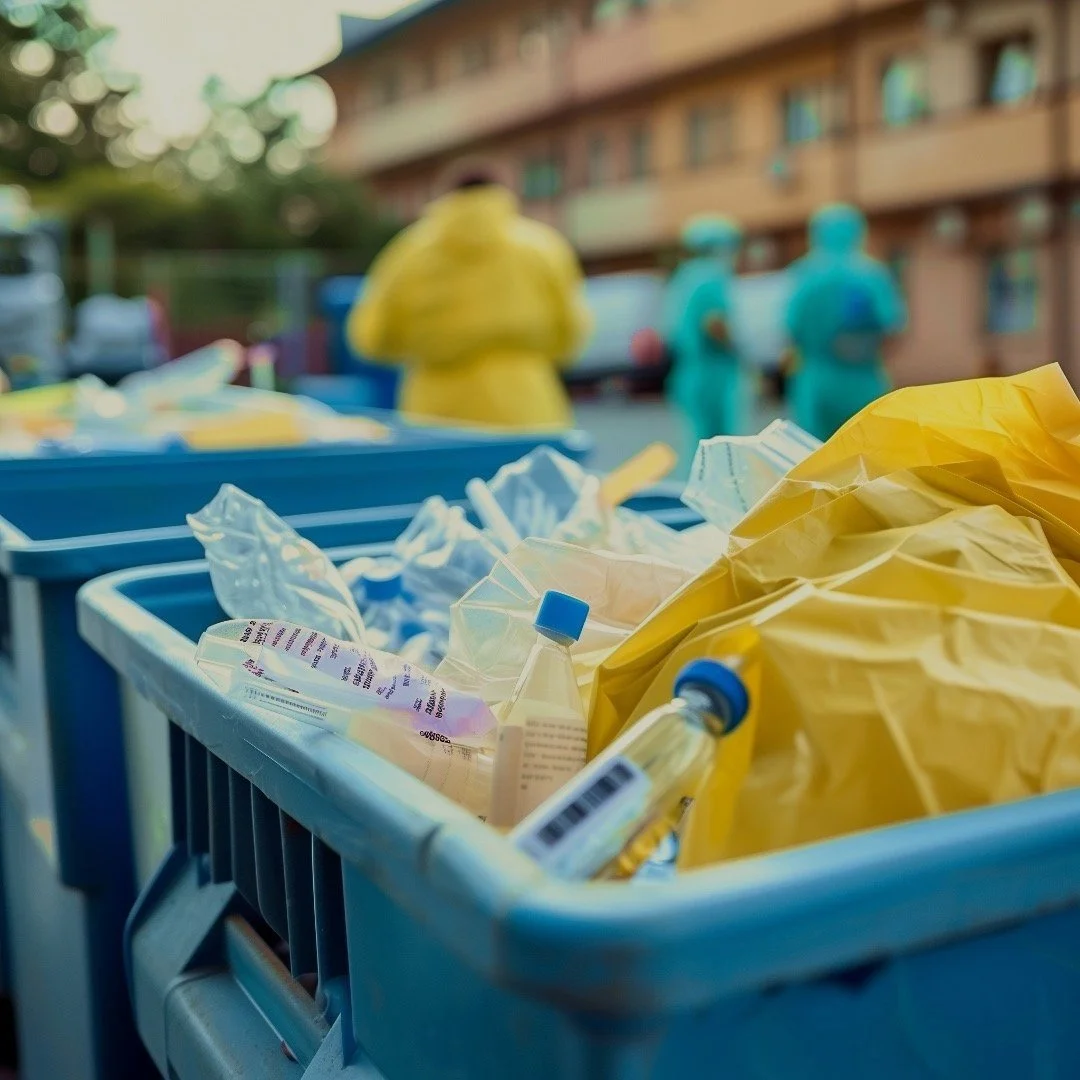
Our automatic IV flushing solution assists the full delivery of medication to patients, preventing medicine from being discarded in the environment abd developing .
Medicine left in IV lines contributes to expensive clinical waste and antimicrobial resistance (AMR) (6), which is predicted to cause 10 million deaths and $1.2 trillion in health expenditures annually by 2050 (7).
Droplet IV allows IV set plastics to be recycled, supporting Sustainable Development Goals (SDGs).
6. Fish and Ohlinger, 2006 | 7. Dadgostar P. Antimicrobial Resistance: Implications and Costs. Infect Drug Resist. 2019 Dec 20;12:3903-3910. doi: 10.2147/IDR.S234610.
ISO 13485 certificate

Droplet IV is ISO 13485:2016 certified for its Quality Management System for medical devices - an internationally recognized quality standard that demonstrates our commitment to high-quality processes and supports compliance with global regulatory expectations.
Disclaimer: the Droplet IV device is currently under development and is not yet cleared by the FDA and is not yet CE-marked in accordance with MDR. Our technology has been protected. The device is not yet available for sale in the USA or EU.
Contact us for a demonstration
FAQs
-
Droplet IV is a sterile, prefilled, single use medical device to be used as part of a complete IV therapy system.
-
Droplet IV is first connected to the IV medication bag, followed by attaching the IV line to Droplet IV. Only healthcare professionals are authorized to set up Droplet IV.
-
A manual flush of an IV line is conducted by healthcare professionals, who manually switch the IV line connection from the IV medication bag to a saline bag. Following this, a saline infusion is administered to flush the IV line.
During manual flushing, healthcare staff must closely monitor the medication level in the IV bag to ensure they can promptly switch to the saline bag as soon as the IV bag is empty.
Delayed flushing leads to an increased risk of complications related to infusion care including increased risk of phlebitis (inflammation of the vein) and PVC (Peripheral Venous Catheter) complications.
-
The Droplet IV device is currently under development and not yet available for sale. It is estimated to enter the market by 2026.